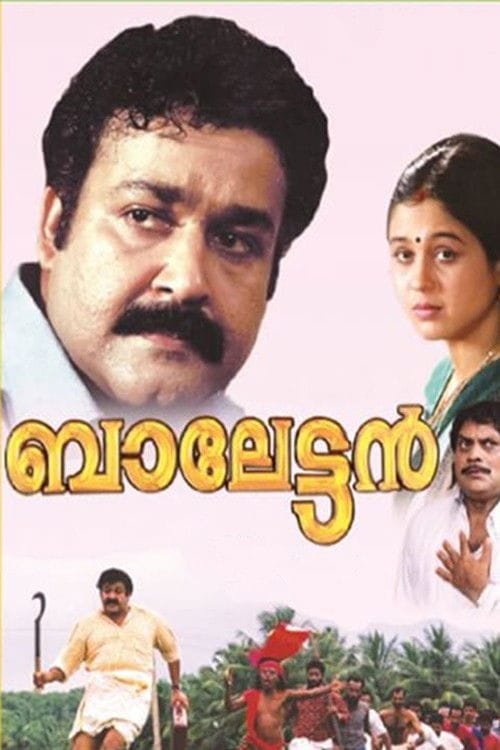






Balettan | 2003 | Watch Full Movie
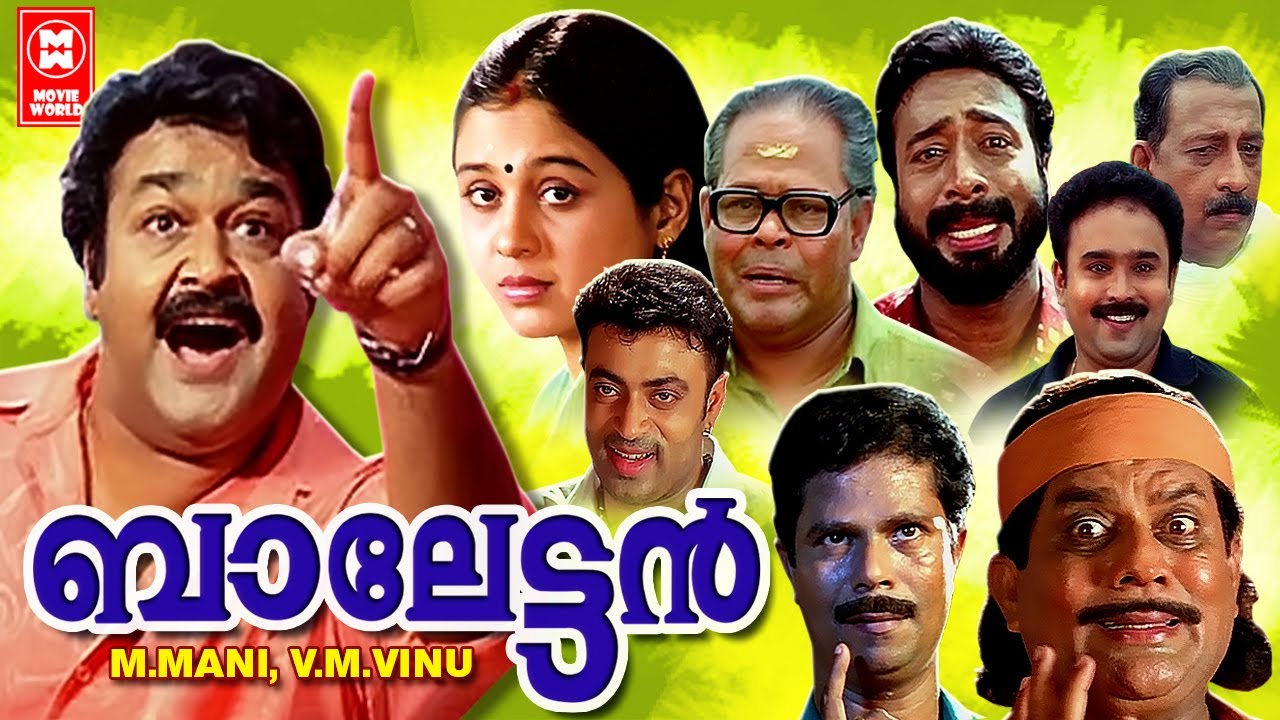
Cast

Mohanlal
Athaniparambil Balachandran Menon (Balettan)

Devayani
Radhika

Nedumudi Venu
Gopalan Menon

Nithya Das
Devaki

Riyaz Khan
Bhadran

Jagathy Sreekumar
K K Pisharadi

Harisree Ashokan
Manikandan

Innocent
Achumama

Kalabhavan Mani
Musthafa

Vimal Raj
Basheer
Synopsis
“Balettan” is a 2003 Indian Malayalam-language family drama film directed by V.M. Vinu and written by T.A. Shahid. The film stars Mohanlal in the titular role of Athaniparambil Balachandran Menon, a benevolent and self-sacrificing man from a rural village, affectionately known as Balettan. He is widely respected for his unwavering commitment to helping others, often at his own expense, and leads a cheerful life with his wife Radhika (Devayani) and their two children. The central conflict arises when Balettan’s father, a retired postmaster (Nedumudi Venu), on his deathbed, reveals a deeply guarded secret: the existence of a second family. Burdened by this confession, Balettan is tasked with discreetly providing for this second family without his own wife or mother discovering the truth. This secret mission embroils him in a web of misunderstandings, family tensions, and personal hardships, including suspicions of infidelity and confrontations with the troublesome antagonist, Bhadran (Riyaz Khan).
Released on August 28, 2003, during the Onam festival, “Balettan” was a significant commercial success, becoming the highest-grossing Malayalam film of the year. Made on a budget of ₹1.75 crore, it grossed approximately ₹14 crore and ran for over 200 days in theaters. The film’s success was particularly crucial for Mohanlal, helping him regain his position as a leading star after a brief lull. Critics largely lauded Mohanlal’s heartfelt performance, which earned him Best Actor awards at the Asianet Film Awards and Vanitha Film Awards. While some reviews noted that the story might not offer entirely new themes, the film’s blend of family drama, emotional depth, and comedic elements, coupled with Mohanlal’s charismatic portrayal, resonated strongly with family audiences. The film’s enduring popularity is evidenced by its frequent television reruns and its Telugu remake as “Rajababu” (2006).